How to improve blood flow naturally: a men’s circulation guide from Vigor Peak
Updated August 2026 · reviewed by the Vigor Peak Research Team. We are an independent information resource, not a medical provider, and this article is educational rather than medical advice.
A practical, evidence-referenced guide to improving blood flow naturally — the movement, sleep and nitric-oxide foods that support healthy circulation in men, and where Vigor Peak’s citrulline and pine bark fit as a daily complement.
You improve blood flow naturally by moving most days, sleeping well, not smoking, keeping alcohol moderate, and eating nitrate- and polyphenol-rich foods. These habits support the vessel lining and the nitric oxide that keeps circulation responsive. They complement medical care rather than replacing it, and no food or supplement treats a circulatory condition.
- Move daily: brisk walking, cycling or swimming, plus a 10-minute walk after your biggest meal.
- Eat for nitric oxide: leafy greens, beetroot, berries, citrus, nuts and oily fish most days.
- Protect the basics: seven to nine hours of sleep, no smoking, moderate alcohol, and stress recovery.
- Where supplements fit: L-citrulline and pine bark can support the routine — they are not a treatment.
Healthy circulation is the quiet engine behind male energy, stamina and performance, and the biggest levers are everyday ones. This guide walks through how to improve blood flow naturally in plain language — what works, where the evidence is strong and where it is only promising — and shows how a formula like Vigor Peak can play a supporting role once the fundamentals are in place.
What does “improving blood flow naturally” actually mean?
Improving blood flow naturally means using lifestyle inputs — movement, food, sleep and stress management — to help your blood vessels stay flexible and responsive so blood reaches muscles and tissues efficiently. Circulation is not a single organ you can flip on; it is a system centred on the thin lining of your arteries, called the endothelium, and on a signalling molecule called nitric oxide that tells vessels when to relax and widen. Supporting that system naturally is not a cure and not a shortcut. It is a set of small, repeatable choices whose effects stack over weeks and months.
Why does circulation matter so much for men?
Circulation matters for men because nearly everything tied to vitality — energy, exercise tolerance, recovery and sexual performance — depends on blood reaching the right place at the right time. When the endothelium is healthy and nitric oxide signalling works well, vessels dilate on demand and oxygen delivery keeps up with what your body is doing. When circulation is sluggish, men tend to notice lower stamina, colder hands and feet, and dips in drive. None of that is a diagnosis on its own, but each is a reminder that blood flow is worth supporting deliberately.
Which everyday habits improve blood flow the most?
The habits that improve blood flow the most are the ones that repeatedly ask your vessels to work: regular movement, good sleep, not smoking, and moderate alcohol. These are unglamorous, free, and better supported by evidence than any pill.
Does exercise really improve circulation?
Yes — aerobic movement is the closest thing to a master switch for circulation. Every time you raise your heart rate with brisk walking, cycling or swimming, you increase blood flow through your vessels, and that repeated stimulus helps keep the endothelium responsive and supports nitric oxide signalling over time. You do not need a gym membership: roughly thirty minutes of movement on most days, plus a short walk after your largest meal, is a realistic and high-return target. A little resistance training two or three times a week adds muscle, which itself improves how your body handles blood sugar and supports a healthier vascular environment.
How do sleep and stress affect blood flow?
Sleep and stress set the background conditions your circulation runs in. Seven to nine hours of consistent sleep is when blood pressure naturally dips and vessels recover, while short nights and chronic stress keep stress hormones elevated, which works against the relaxed, dilated state healthy blood flow depends on. Protecting a few genuine decompression points in the week — a walk outdoors, slow breathing, time away from screens — is not a soft extra; it is part of the mechanism.
What about smoking and alcohol?
Smoking is one of the most direct ways to damage the vessel lining and blunt nitric oxide, so not smoking — or quitting — is among the highest-impact things you can do for circulation. Alcohol is more nuanced: occasional moderate drinking fits with healthy habits, but regular heavy drinking pushes blood pressure the wrong way. Keeping it moderate keeps it from undoing the rest of your routine.
| Habit | How it supports blood flow | Practical target |
|---|---|---|
| Aerobic movement | Repeated increases in blood flow keep vessels responsive | ~30 min most days |
| Post-meal walk | Supports circulation and steadier blood sugar | 10 min after your biggest meal |
| Resistance training | Builds muscle and improves vascular environment | 2–3 sessions/week |
| Consistent sleep | Lets blood pressure dip and vessels recover | 7–9 hours nightly |
| Not smoking | Protects the endothelium and nitric oxide | Zero cigarettes |
| Moderate alcohol | Avoids raising blood pressure over time | Within national guidelines |
Which foods support nitric oxide and circulation?
The foods that best support circulation are those rich in dietary nitrates and polyphenols — leafy greens, beetroot, berries, citrus, nuts and oily fish. Dietary nitrates from vegetables can be converted by the body along a pathway that supports nitric oxide, the molecule that helps vessels relax, while the polyphenol antioxidants in dark-coloured produce are linked in research to healthy vascular function. Eating a range of these most days does far more than fixating on any single “superfood.”
| Food group | Why it helps circulation | Everyday examples |
|---|---|---|
| Leafy greens & beets | Dietary nitrates the body can use toward nitric oxide | Spinach, rocket, beetroot, chard |
| Berries & dark produce | Polyphenol antioxidants linked to vascular health | Blueberries, pomegranate, dark grapes |
| Citrus fruit | Vitamin C and flavonoids that support the vessel lining | Oranges, grapefruit, lemons |
| Nuts & seeds | Arginine, healthy fats and magnesium | Walnuts, almonds, pumpkin seeds |
| Oily fish | Omega-3 fats associated with vascular health | Salmon, sardines, mackerel |

Give your routine a daily complement
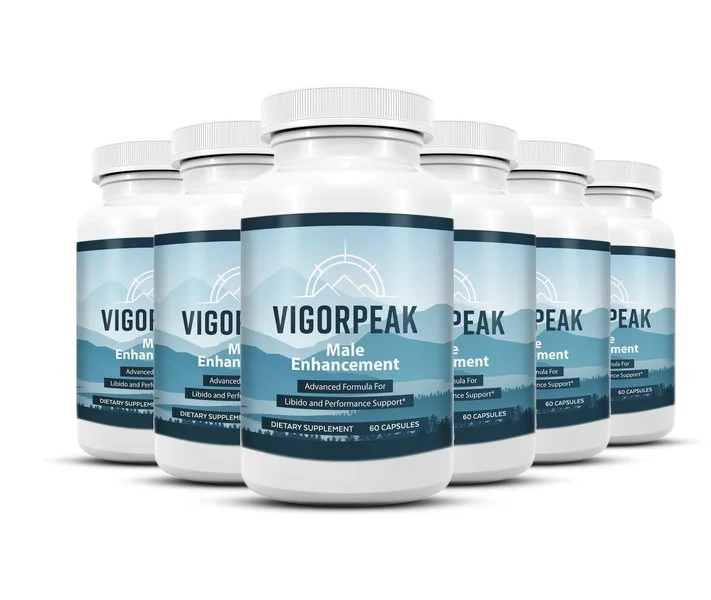
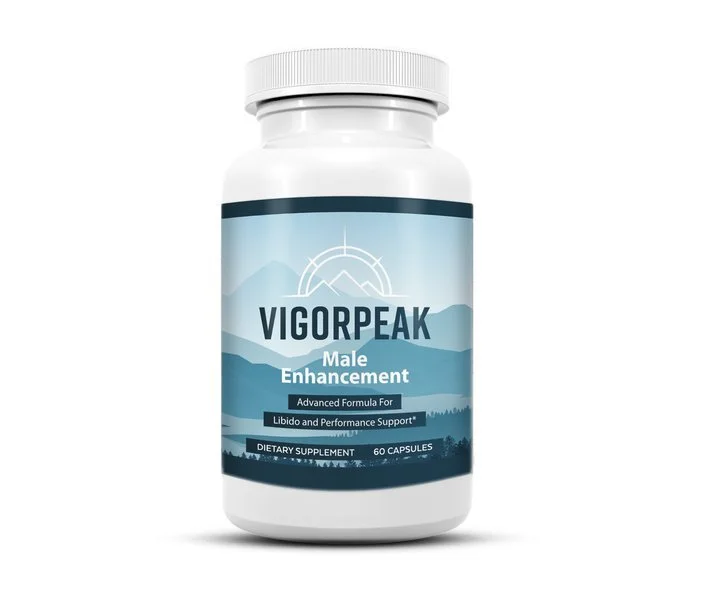
Once the fundamentals are in place, Vigor Peak adds a once-daily two-capsule step built on L-citrulline and pine bark for circulation, plus maca, mucuna and ginseng for everyday drive. The six-bottle bundle is the best value at $49 per bottle, with free U.S. shipping and a 60-day guarantee. See the exact dose in Vigor Peak before you decide.
See the exact dose in Vigor Peak — from $49/bottleHow do nitric-oxide foods actually work?
Nitric-oxide foods work through a two-step pathway that turns the nitrates in vegetables into a signal your blood vessels can use. When you eat nitrate-rich greens or beetroot, bacteria in your mouth and gut convert those nitrates to nitrites, which the body then uses along a route that supports nitric oxide production. Nitric oxide, in turn, tells the smooth muscle in your vessel walls to relax, so vessels widen and blood flows more freely — not a miracle, but a real, well-studied mechanism you can lean on daily.
Where do citrulline and pine bark fit in?
Supplements are a complement to the habits above, not a substitute, and never a treatment for any condition. Still, two ingredients recur in the circulation conversation: L-citrulline, an amino acid, and pine bark extract, an antioxidant — both of which appear in Vigor Peak. L-citrulline is notable because the body converts it toward arginine and then nitric oxide, the same relaxing signal your greens support, and it has been studied for circulation and exercise. Pine bark extract is traditionally associated with healthy blood flow. The honest framing: the evidence is promising rather than definitive, and these are best seen as reinforcements for a routine that already works.
| Nutrient | Type | Why it is discussed for circulation |
|---|---|---|
| L-Citrulline | Amino acid | Converted toward arginine and nitric oxide; studied for blood flow and exercise. |
| Pine bark | Antioxidant extract | Traditionally associated with healthy blood flow and vascular support. |
| L-Carnitine | Amino-acid derivative | Involved in energy metabolism that busy circulation depends on. |
| Ginkgo biloba | Botanical | Long used in tradition for peripheral circulation support. |
Vigor Peak brings these together in a single two-capsule daily habit designed to sit alongside the movement-and-food routine above, not replace it. For a deeper look at the circulation ingredient, read our guide to L-citrulline, nitric oxide and blood flow, or the wider guide to supporting male vitality naturally.
How fast can you expect results?
A “fast” circulation change is one you can feel within hours or days; a “slow” one reshapes your baseline over weeks. Both matter, and setting the right expectation keeps you consistent long enough to benefit.
| Change | Typical time to notice | Everyday effort |
|---|---|---|
| Nitrate-rich meal or a walk | Hours to days | Low |
| Consistent sleep schedule | Days | Medium |
| More greens, berries and fish | Days to weeks | Medium |
| Regular aerobic + resistance training | Weeks | Higher |
| Healthy weight, no smoking, moderate alcohol | Weeks to months | Higher |
Check today’s Vigor Peak pricing →
When should you talk to a doctor?
Natural habits support healthy circulation in generally healthy men; they are not a replacement for medical care. Speak with your doctor before making big changes if you take blood-pressure, heart, nitrate or erectile-dysfunction medication, have a diagnosed cardiovascular condition, or notice warning signs such as chest pain, sudden shortness of breath, or leg swelling. A quick conversation makes sure anything you add — including Vigor Peak — fits safely alongside your care.
Frequently asked questions
How can I improve blood flow naturally?
You improve blood flow naturally by moving most days, sleeping seven to nine hours, not smoking, keeping alcohol moderate, and eating nitrate- and polyphenol-rich foods. These habits support the vessel lining and nitric oxide that keep circulation responsive. They complement, and do not replace, medical care.
Which foods increase nitric oxide?
Leafy greens and beetroot are the richest dietary nitrate sources the body can convert toward nitric oxide, while berries, dark grapes, pomegranate, citrus, nuts and oily fish add polyphenols and healthy fats linked to vascular health. Eating a range of them most days is more useful than any single food.
Does exercise really improve circulation?
Yes. Regular aerobic movement is one of the best-studied ways to support healthy circulation, because repeated increases in blood flow help keep the vessel lining responsive and encourage nitric oxide signalling. A short walk after your largest meal is a simple, high-return version of this.
Do citrulline and pine bark supplements help blood flow?
L-citrulline is converted toward arginine and nitric oxide and is discussed in the research for circulation and exercise support, while pine bark extract is traditionally associated with vascular health. Evidence is promising but not definitive, they are not a treatment for any condition, and medication users should ask a doctor first.
How long does it take to improve circulation naturally?
Some effects of a walk or a nitrate-rich meal are short-term and can be felt within hours to days, while the deeper changes from consistent exercise, weight and diet usually build over several weeks to a few months. Individual results vary.
How does Vigor Peak support healthy blood flow?
Vigor Peak is a once-daily two-capsule supplement that pairs L-citrulline and pine bark with maca, mucuna, ginseng, ginkgo and L-carnitine. It is designed to complement the circulation habits described here, not to replace them or treat any condition.
Try Vigor Peak risk-free for 60 days →
Vigor Peak is a dietary supplement for adult men, not a treatment for any medical condition. These statements have not been evaluated by the Food and Drug Administration. This product is not intended to diagnose, treat, cure or prevent any disease. Always consult a qualified healthcare professional about your individual needs.
References & further reading
- National Center for Complementary and Integrative Health (NCCIH). Health Info: dietary supplements and heart health. nccih.nih.gov/health
- Mayo Clinic. Exercise: 7 benefits of regular physical activity. mayoclinic.org/healthy-lifestyle/fitness
- Examine.com. Citrulline — evidence-based summary. examine.com/supplements/citrulline
- U.S. National Library of Medicine (PubMed). Dietary nitrate, nitric oxide and vascular function — research literature. pubmed.ncbi.nlm.nih.gov
- National Institutes of Health, Office of Dietary Supplements. Carnitine — Fact Sheet for Health Professionals. ods.od.nih.gov/factsheets/Carnitine-HealthProfessional
These references describe the ingredients and habits in general terms and do not constitute evidence that any product treats, cures or prevents any condition.
Keep reading: L-citrulline, nitric oxide and healthy blood flow for men · How to support male vitality naturally · back to the Vigor Peak blog · homepage.