How to increase testosterone naturally: the Vigor Peak guide for 2026

Updated August 2026 · reviewed by the Vigor Peak Research Team. We are an independent information resource, not a medical provider, and this article is educational rather than medical advice.
Learning how to increase testosterone naturally comes down to a short list of evidence-based levers - strength training, sleep, a healthy weight and zinc-rich food - and knowing exactly where a botanical formula like Vigor Peak does and does not fit.
The fast, quotable version, in one place.
- The honest picture
- You can often support your own testosterone within a normal range through lifestyle - but you cannot supercharge a healthy man, and real deficiency needs a doctor.
- Biggest levers
- Lose excess body fat, lift challenging weights, sleep seven to nine hours, and get enough protein, zinc, magnesium and vitamin D.
- The fastest win
- Sleep. Most testosterone is released overnight, and short sleep quickly blunts it.
- Where Vigor Peak fits
- It is a botanical vitality formula for circulation, drive and energy - not a hormone product or testosterone drug.
- Timeframe
- Sleep and alcohol changes act within days; fat loss and training show over one to three months, and results vary.
Testosterone gets talked about like a dial you can crank at will, but the reality is calmer: for most men, the biggest influences on it are the same ordinary habits that drive overall health. This guide walks through the levers with real evidence behind them, flags where that evidence is thin, and is straight about where a supplement like Vigor Peak belongs.
What does it mean to increase testosterone naturally?
Increasing testosterone naturally means supporting your body’s own hormone production through lifestyle rather than prescription therapy. In practice that means removing the things that suppress it - excess body fat, poor sleep, chronic stress and heavy drinking - and supplying the raw inputs it needs, such as protein, healthy fat and key minerals. The realistic goal is to keep your levels toward the healthy end of your personal range, not to reach the numbers seen with medical testosterone.
Why does testosterone decline in the first place?
Testosterone in men tends to fall gradually with age, typically around one percent a year after the thirties, and several everyday factors accelerate the slide. Rising body fat converts more testosterone toward estrogen. Sleep debt cuts into the overnight window when most testosterone is released. A sedentary week removes the muscular stimulus that signals production, while chronic stress keeps cortisol - testosterone’s counterweight - elevated. Alcohol and untreated nutrient gaps push the same way. The encouraging part: most of these are dials you can turn back.
Which lifestyle levers raise testosterone the most?
The levers with the strongest evidence are weight, resistance training, sleep and stress - and they reinforce one another.
1. Get to a healthier body weight
Losing excess body fat is the single most reliable way for an overweight man to raise his testosterone. Fat tissue is metabolically active and increases the conversion of testosterone into estrogen, so trimming it removes a real brake. You do not need to become lean overnight - studies consistently show that modest, sustained fat loss moves the needle while improving sleep, energy and blood-sugar control too.
2. Lift challenging weights
Strength training is the most consistently studied exercise for supporting testosterone. Compound movements - squats, deadlifts, presses and rows that recruit large muscle groups - deliver the most stimulus, especially when the weights are genuinely demanding. Two to four sessions a week is plenty. The caveat matters: chronic overtraining without recovery can push testosterone the other way, so progress, then rest.
3. Protect your sleep
Sleep may be the highest-return habit of all, because most of a man’s daily testosterone is released while he sleeps. Research on healthy young men found a week of restricting sleep to about five hours a night lowered daytime testosterone by ten to fifteen percent - the equivalent of aging a decade. A consistent seven-to-nine-hour schedule protects that window better than any supplement.
4. Manage stress and alcohol
Chronic stress and heavy drinking both work directly against testosterone. Sustained stress elevates cortisol, which suppresses testosterone, while regular heavy alcohol interferes with the cells that produce it. You do not need perfection - protecting a few decompression points each week and keeping alcohol moderate lets the recovered, lower-cortisol state that testosterone favours show up far more often.
| Lever | Why it helps testosterone | Realistic target |
|---|---|---|
| Lose excess body fat | Reduces conversion of testosterone to estrogen | Sustained, modest fat loss |
| Resistance training | Muscular stimulus supports production | Compound lifts, 2–4×/week |
| Sleep 7–9 hours | Most testosterone is released overnight | Consistent bedtime, nightly |
| Lower chronic stress | Keeps cortisol from suppressing testosterone | Daily decompression points |
| Moderate alcohol | Protects testosterone-producing cells | Light, occasional intake |
See the exact dose in Vigor Peak →
What foods and nutrients support healthy testosterone?
Nutrition supports testosterone mainly by correcting shortfalls rather than boosting a man who already has enough. Three micronutrients dominate the research - zinc, vitamin D and magnesium - and the overall pattern matters as much as any single food: enough protein, enough healthy fat, and enough whole foods to stay lean. Very low-fat diets are linked to lower testosterone in some studies, so healthy fats belong on the plate.

| Nutrient | Why it matters | Everyday food sources |
|---|---|---|
| Zinc | Directly involved in testosterone production; deficiency lowers levels | Oysters, beef, pumpkin seeds, legumes |
| Vitamin D | Acts like a hormone; low status is linked to lower testosterone | Sunlight, oily fish, eggs, fortified foods |
| Magnesium | Supports free testosterone and sleep quality | Leafy greens, nuts, whole grains, dark chocolate |
| Protein | Supports muscle and healthy body composition | Eggs, poultry, fish, Greek yoghurt, legumes |
| Healthy fats | Cholesterol and fatty acids are building blocks for hormones | Olive oil, avocado, nuts, oily fish |
The honest note on supplements: zinc, magnesium and vitamin D help most when you are genuinely low. Popular "testosterone boosters" built on herbs like fenugreek or tribulus have far weaker, more mixed evidence, and none replaces the levers above. For more on individual botanicals, see our guides to maca root and panax ginseng for men.
Support the routine, not just the numbers
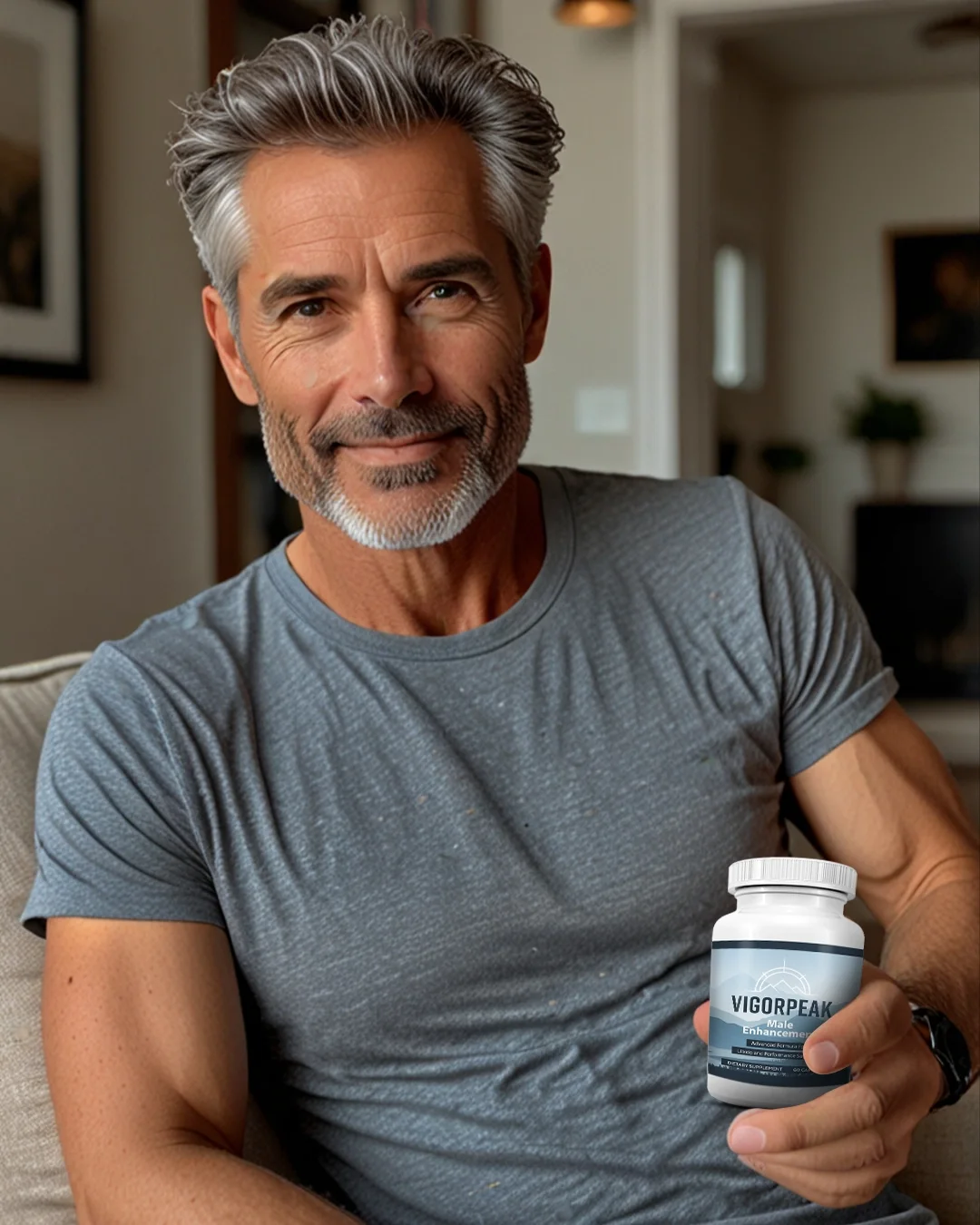
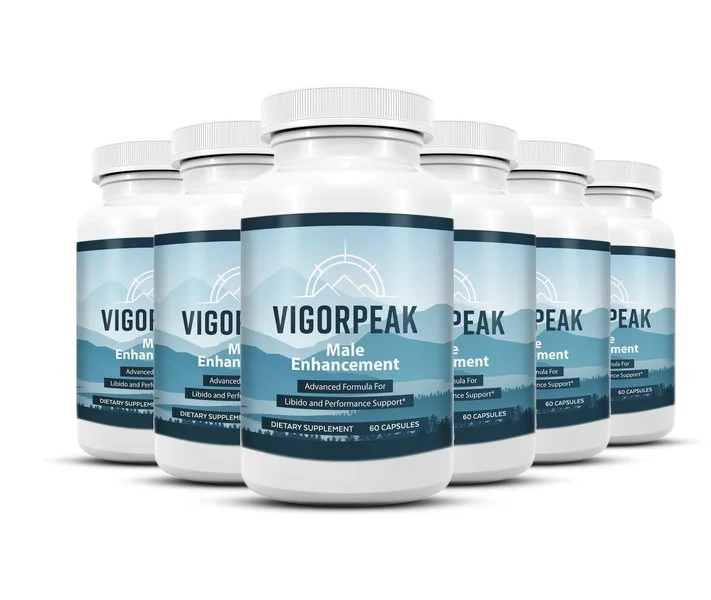
Vigor Peak is a once-daily botanical vitality capsule with L-citrulline, maca, mucuna and pine bark - built to sit alongside the sleep, training and nutrition habits above. The six-bottle bundle is the best value at $49 per bottle, with free U.S. shipping and a 60-day guarantee.
Check today’s Vigor Peak pricing — from $49/bottleWhere does Vigor Peak fit - and what it is not?
Vigor Peak is a botanical men’s vitality formula, not a hormone product or a testosterone drug - the most important distinction on this page. It does not contain testosterone, does not claim to raise it, and is not a treatment for clinically low testosterone. Instead it pairs circulation-focused ingredients - L-citrulline and pine bark - with traditional botanicals such as maca, mucuna pruriens, panax ginseng, ginkgo and L-carnitine, in a two-capsule daily habit meant to support drive, blood flow and everyday energy. It supports the lifestyle picture in this guide; it is not a shortcut around it. To see the full formula, read our Vigor Peak review, or our guide on how to support male vitality naturally.
How do you build a simple daily routine?
The best routine is the one you will keep. Stack one small habit at a time until each feels automatic:
- Anchor a consistent bedtime so the overnight testosterone window stays protected.
- Lift weights two to four times a week, prioritising big compound movements.
- Walk and stay active on non-lifting days to help manage weight and stress.
- Eat for the hormone — enough protein, healthy fats, and zinc-rich foods most days.
- Keep alcohol moderate and build in real decompression points each week.
- Take any supplement at the same time daily — for Vigor Peak, two capsules with water.
How fast can natural changes work?
A “fast” lever is one you feel within days; a “slow” lever reshapes your baseline over months. Both belong in the plan.
| Change | Typical time to notice | Everyday effort |
|---|---|---|
| Better, longer sleep | Days to a week | Medium |
| Cutting back on alcohol | Days to weeks | Medium |
| Correcting a nutrient gap | Weeks | Low |
| Consistent strength training | Weeks to months | Higher |
| Meaningful fat loss | One to three months+ | Higher |
When should you see a doctor about low testosterone?
Natural habits support healthy testosterone in generally healthy men, but they are not a diagnosis or a cure. See a doctor if you have persistent symptoms - ongoing fatigue, low mood, reduced libido, or difficulty building muscle despite training - because genuinely low testosterone is a medical condition confirmed by a blood test, not a self-diagnosis. Bring any supplement you take, including Vigor Peak, to that conversation.
Frequently asked questions
Can you really increase testosterone naturally?
For many men, yes - within a normal range. Losing excess body fat, lifting weights, sleeping seven to nine hours and eating enough protein, zinc and healthy fat can each support the body's own testosterone production. These habits will not push a healthy man into supraphysiological territory, and true clinical deficiency needs a doctor.
What is the single best exercise for testosterone?
Compound resistance training - squats, deadlifts, presses and rows - using challenging weights across large muscle groups is the most consistently studied exercise for supporting testosterone. Pair it with general aerobic activity and avoid chronic overtraining, which can push levels the other way.
Does sleep really affect testosterone?
Yes. Most of a man's daily testosterone is released during sleep, and research shows that restricting sleep to around five hours a night can meaningfully lower daytime testosterone in healthy young men. A consistent seven-to-nine-hour schedule is one of the highest-return habits available.
Which foods and nutrients support testosterone?
Adequate protein, healthy fats and key micronutrients matter most. Zinc-rich foods such as oysters, beef, pumpkin seeds and legumes, vitamin D from sun or diet, and magnesium are the nutrients most linked to healthy testosterone - mainly by correcting deficiencies rather than boosting a man who already has enough.
Is Vigor Peak a testosterone booster or a hormone product?
No. Vigor Peak is a botanical men's vitality formula built on L-citrulline, pine bark, maca, mucuna, ginseng, ginkgo and L-carnitine. It is designed to support circulation, drive and everyday energy alongside the lifestyle habits in this guide. It is not a hormone, not a testosterone drug, and not a treatment for low testosterone.
How long does it take to raise testosterone naturally?
Better sleep and reduced alcohol can influence levels within days to weeks, while fat loss and consistent strength training usually show over one to three months or longer. Correcting a genuine nutrient deficiency also takes weeks, and individual results vary.
Check today’s Vigor Peak pricing →
Vigor Peak is a dietary supplement for adult men, not a treatment for any medical condition and not a hormone product. These statements have not been evaluated by the Food and Drug Administration. This product is not intended to diagnose, treat, cure or prevent any disease. Always consult a qualified healthcare professional about your individual needs.
References & further reading
- NIH, Office of Dietary Supplements. Zinc. ods.od.nih.gov/factsheets/Zinc-HealthProfessional
- Leproult & Van Cauter. Sleep restriction and testosterone. PubMed. pubmed.ncbi.nlm.nih.gov/21632481
- Mayo Clinic. Male hypogonadism. mayoclinic.org/diseases-conditions/male-hypogonadism
- Examine.com. Testosterone. examine.com/topics/testosterone
- Harvard Health Publishing. Testosterone. health.harvard.edu/medications/testosterone
- NCCIH. Dietary and Herbal Supplements. nccih.nih.gov/health/dietary-and-herbal-supplements
These references describe the ingredients and habits in general terms and do not constitute evidence that any product treats, cures or prevents any condition.
Keep reading: How to support male vitality naturally · L-citrulline, nitric oxide and healthy blood flow for men · back to the Vigor Peak blog · homepage.