L-Arginine vs L-Citrulline for Men: What Vigor Peak Uses and Why

Updated August 2026 · reviewed by the Vigor Peak Research Team. We are an independent information resource, not a medical provider, and this article is educational rather than medical advice.
L-arginine and L-citrulline are the two amino acids most linked to nitric oxide and healthy blood flow in men — but they behave very differently once you swallow them. This guide compares their absorption, weighs which is better for circulation, and explains why Vigor Peak builds on L-citrulline.
The fast, quotable version, in one place.
- Short answer
- Both amino acids feed the same nitric-oxide pathway, but oral L-citrulline is absorbed more reliably and then converts into L-arginine inside the body — so citrulline usually wins as a swallowed supplement.
- The absorption gap
- Swallowed L-arginine is heavily broken down in the gut and liver before it reaches your blood; L-citrulline slips past that first-pass loss and raises arginine more steadily.
- Better for blood flow?
- For an oral dose, current evidence leans toward L-citrulline for sustaining nitric-oxide support — neither is a treatment for any condition.
- Why Vigor Peak uses citrulline
- It picks the more bioavailable amino acid, then pairs it with pine bark, maca, mucuna and ginseng for broader everyday support.
Compare enough pre-workout or men’s vitality labels and you will see both names side by side: L-arginine and L-citrulline. They are cousins in the same biochemical loop, both promoted for “pump,” circulation and stamina. Yet they are not interchangeable, and the difference comes down to one decisive question: how much of what you swallow actually reaches your bloodstream? That is where Vigor Peak made its choice.
What is the difference between L-arginine and L-citrulline?
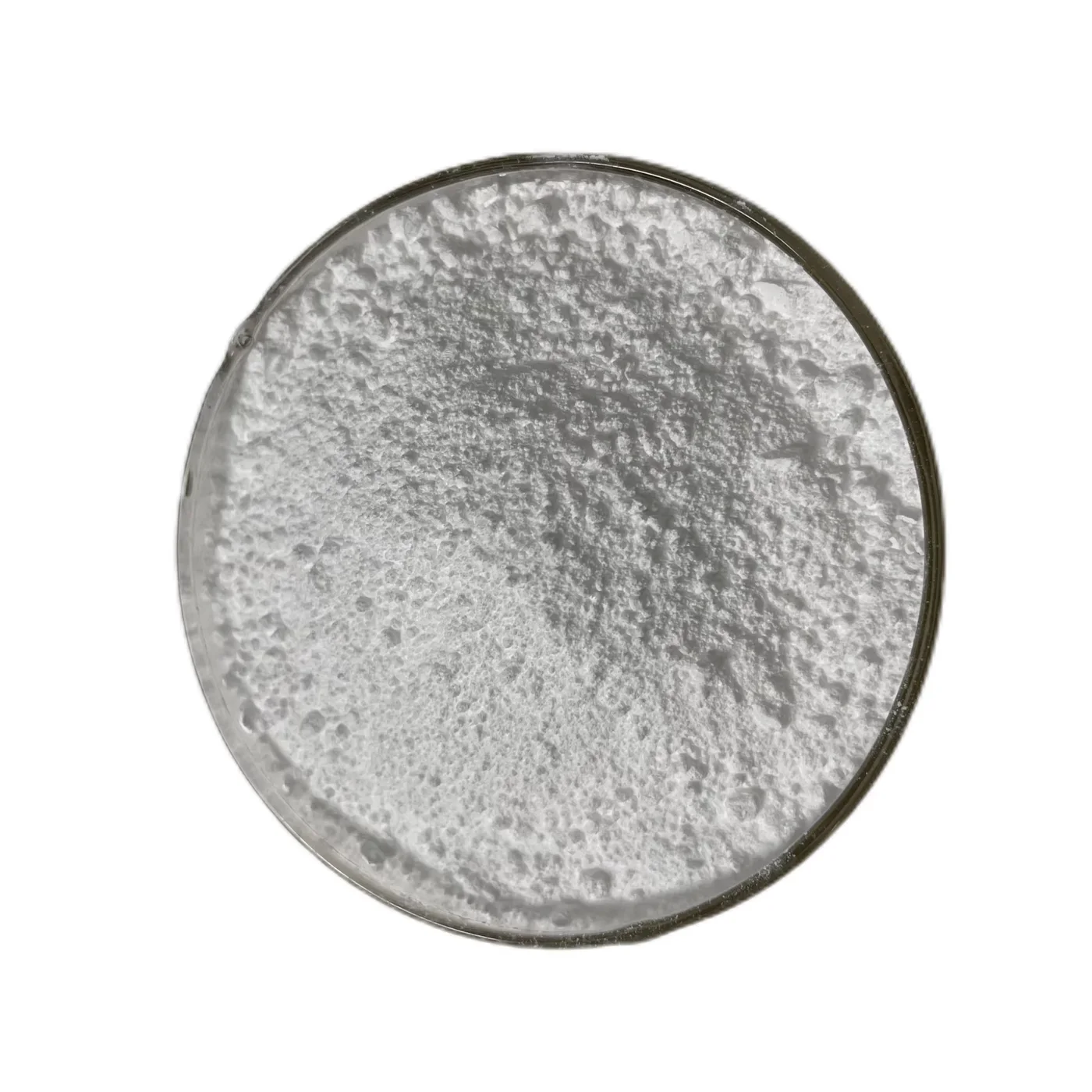
L-arginine and L-citrulline are both amino acids the body can use to produce nitric oxide, the signalling molecule that helps blood vessels relax and widen. The difference is one of sequence: L-arginine is the direct raw material your cells turn into nitric oxide, while L-citrulline sits a step upstream and is converted back into L-arginine by your kidneys first. In effect, citrulline is a slower-release way of topping up the very arginine that drives the reaction — both circulate in the same recycling loop, where arginine, citrulline and nitric oxide are continually regenerated from one another.
Because they sit at different points in that loop, the body handles them very differently the moment they hit your digestive tract — and that handling is what separates a supplement that works on paper from one that works in your blood.
Why does citrulline vs arginine bioavailability matter so much?
Bioavailability is the share of a swallowed dose that actually survives digestion and reaches your bloodstream intact — and it is the single biggest reason L-arginine and L-citrulline are not equal on a label. A gram of one is not a gram of the other once your gut and liver have taken their cut.
What happens when you swallow L-arginine?
When you take oral L-arginine, a large portion never makes it into circulation. An enzyme called arginase, active in the gut wall and liver, breaks much of it down before it can be used — a process nutrition scientists call extensive first-pass metabolism. Studies have repeatedly shown that even fairly large oral doses of arginine produce only modest, short-lived rises in blood arginine, which is why some people report stomach upset from big doses without a matching benefit.
How does L-citrulline get around that problem?
L-citrulline sidesteps the bottleneck. It is not a target for gut arginase, so it is absorbed largely intact, travels to the kidneys, and is efficiently converted into L-arginine there — effectively delivering arginine through the back door. The counter-intuitive result, confirmed in controlled comparisons, is that oral L-citrulline can raise blood arginine levels more, and for longer, than the same amount of L-arginine taken directly. For a supplement you swallow, that reliability is the whole ballgame.
| Feature | L-Arginine | L-Citrulline |
|---|---|---|
| Role in the pathway | Direct precursor to nitric oxide | Converted to arginine, then to nitric oxide |
| Oral bioavailability | Lower — heavy first-pass breakdown | Higher — largely absorbed intact |
| Effect on blood arginine | Modest, short-lived rise | Larger, more sustained rise |
| Digestive tolerance | Larger doses can upset the stomach | Generally well tolerated |
| Common use | Older “pump” products | Modern circulation & endurance formulas |
Which is better for blood flow in men?
For a swallowed supplement aimed at supporting healthy blood flow, current evidence leans toward L-citrulline as the more practical of the two nitric-oxide amino acids. The logic is straightforward: circulation support depends on getting arginine into the blood, and citrulline does that more efficiently than arginine itself. This is not a claim that either amino acid treats erectile issues, heart conditions or blood pressure — those are medical matters — but among ingredients studied for supporting normal circulation and exercise performance, citrulline has become the more evidence-friendly choice.
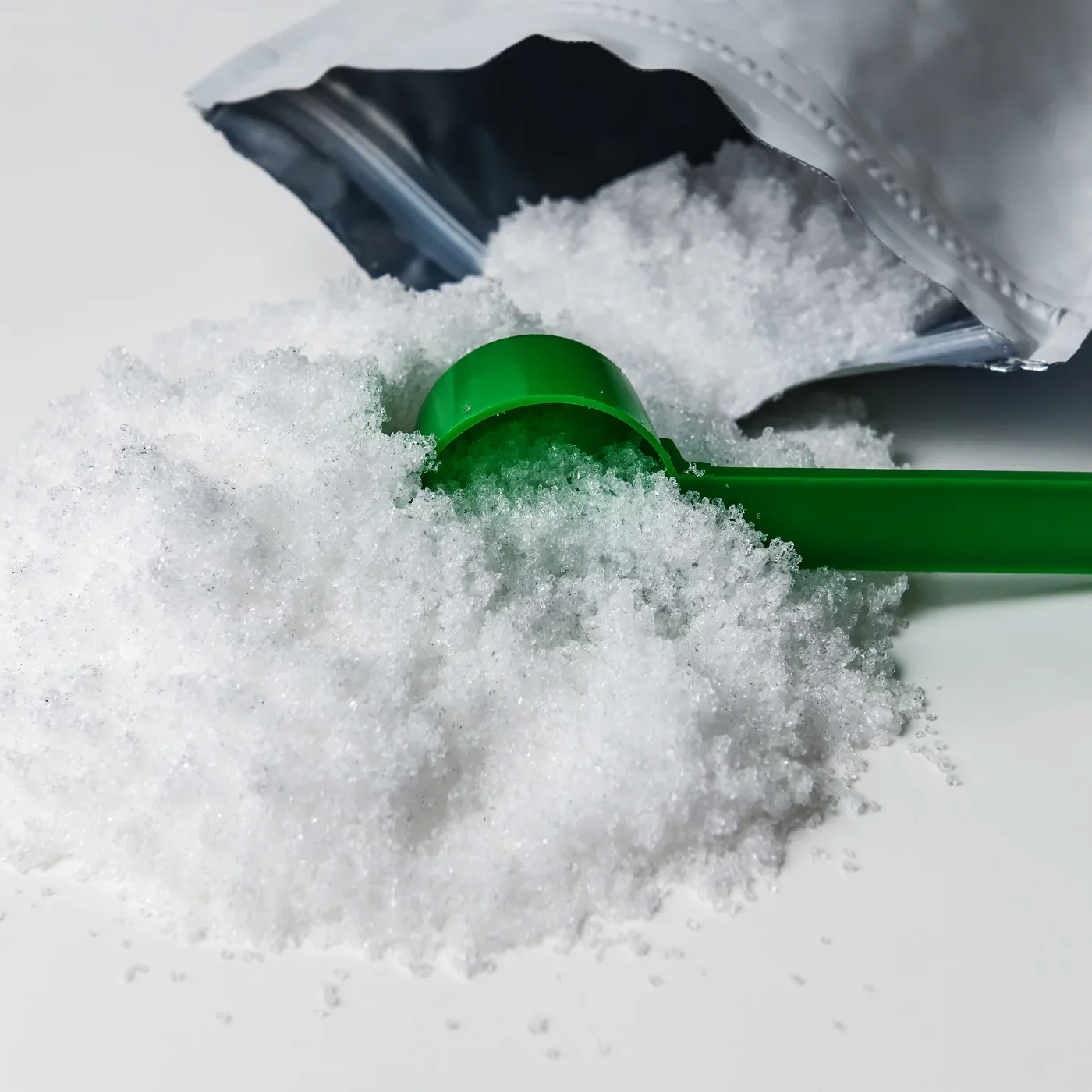
It is worth being honest about the limits, though. Much of the human evidence uses athletes and short study windows, effect sizes are modest, and responses vary widely. The science supports a plausible mechanism and steadier arginine delivery — not a guaranteed outcome. For more, see our guide on L-citrulline, nitric oxide and healthy blood flow for men.
What does the research actually show?
The strongest, most consistent finding in the literature is the absorption gap: oral L-citrulline raises plasma arginine more effectively than oral L-arginine. Beyond that headline, the picture is nuanced and still developing.
Is the evidence strong or still emerging?
It is genuinely mixed. Pharmacokinetic studies — the ones measuring blood levels — give citrulline a clear, reproducible edge. Downstream performance and circulation studies are smaller and more variable, some showing endurance or recovery benefits and others showing little. Treat any product promising sweeping results with scepticism; the reasonable takeaway is “supportive, modest and plausible,” not “proven cure.”
Does combining the two help?
Some formulas pair L-arginine with L-citrulline, and a handful of small studies suggest the combination can lift arginine levels efficiently, since citrulline helps recycle arginine while arginine supplies the immediate substrate. For general wellness use, however, many modern products favour citrulline alone for its cleaner absorption profile and better digestive tolerance — simplicity with fewer trade-offs.
See the exact dose in Vigor Peak
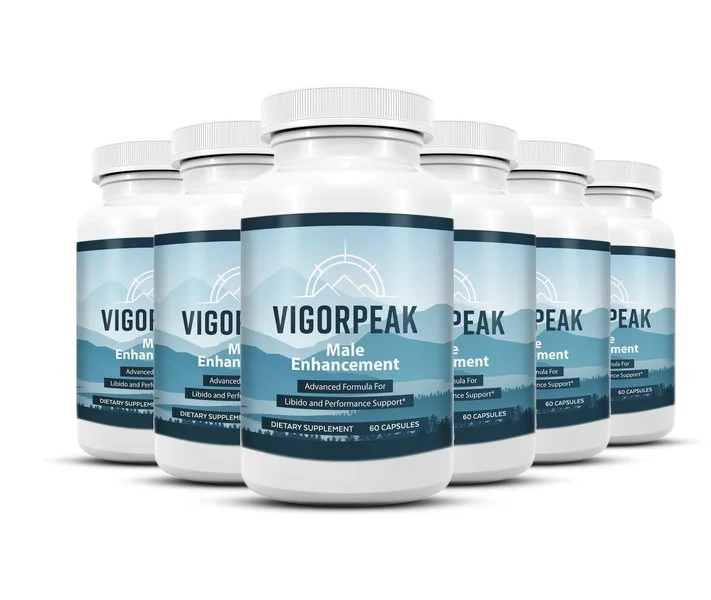
Vigor Peak pairs L-citrulline — the more bioavailable nitric-oxide amino acid — with pine bark, maca, mucuna and ginseng in a once-daily two-capsule serving. The six-bottle bundle is the best value at $49 per bottle, with free U.S. shipping and a 60-day guarantee.
See the exact dose in Vigor Peak — from $49/bottleHow much L-citrulline do you actually need?
Research on L-citrulline typically uses a few grams a day, but the amount inside a blended capsule is usually smaller and serves a different purpose. A standalone pre-workout dose is built to spike nitric oxide before one session; a daily vitality capsule is built to contribute to healthy circulation within a broader routine of movement, sleep and whole foods.
| Form & goal | Amount commonly studied | Typical timing |
|---|---|---|
| L-citrulline (circulation support) | ~3–6 g per day | Once daily, any time |
| Citrulline malate (exercise / pump) | ~6–8 g | 30–60 min pre-workout |
| L-arginine (older approach) | Higher doses, less efficient | Split doses to limit upset |
| Blended daily formula | Lower, alongside other actives | With your daily capsules |
The point is that a capsule like Vigor Peak is not trying to replace a heaping scoop of pre-workout citrulline. It gives a steady daily contribution, then leans on complementary ingredients — and your own habits — to do the rest. To see how those work, read our guide to maca, mucuna and pine bark for men.
Why does Vigor Peak use L-citrulline instead of arginine?
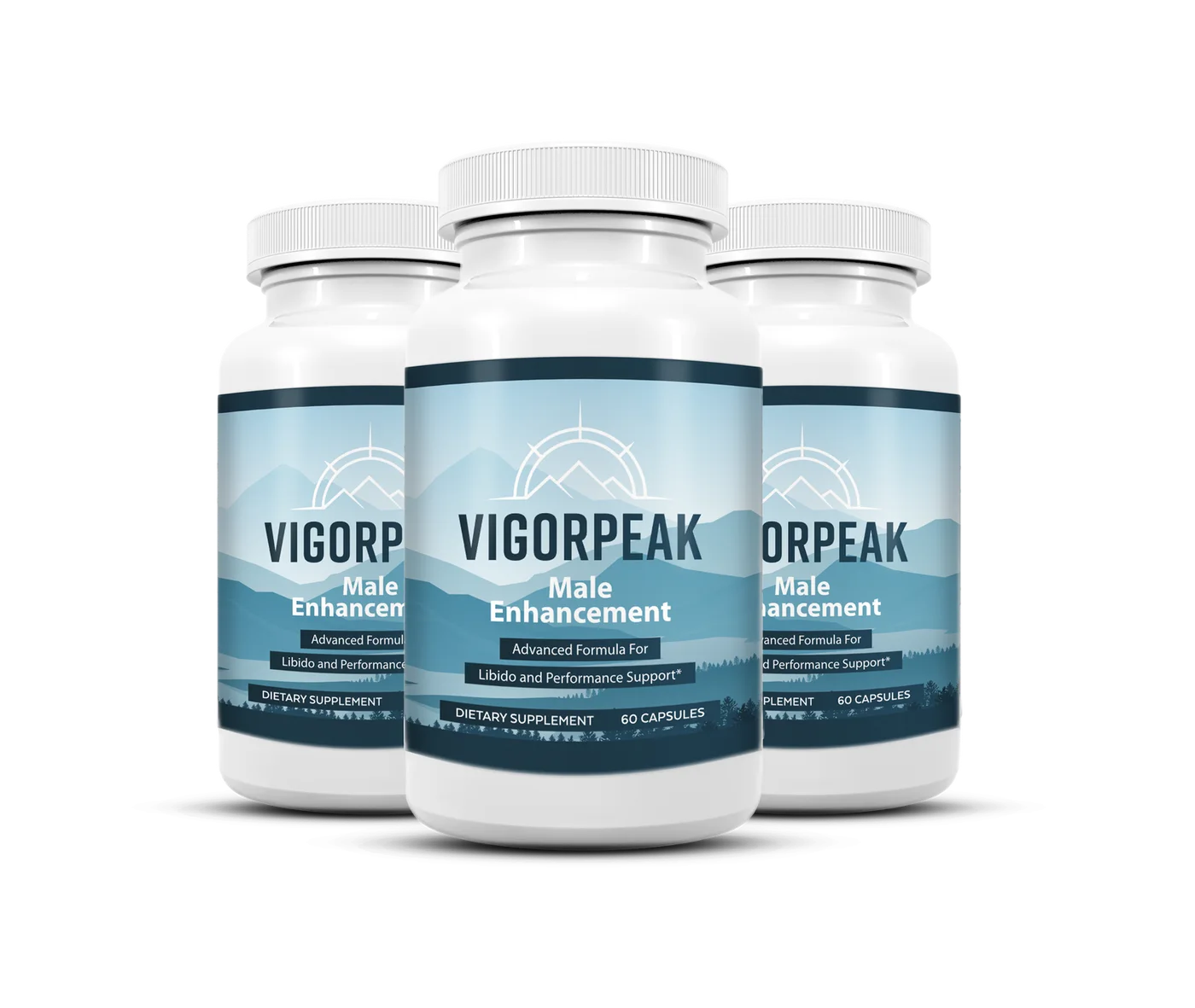
Vigor Peak uses L-citrulline because it is the more bioavailable of the two nitric-oxide amino acids, giving a steadier contribution to healthy circulation from a modest, once-daily two-capsule dose. Rather than pack in poorly absorbed arginine, the formula starts from the ingredient that actually reaches the blood, then surrounds it with pine bark for vascular antioxidant support and maca, mucuna pruriens and panax ginseng for drive and energy — a best-absorbed base with a sensible support cast, not a single mega-dose.
Are there downsides or anyone who should be cautious?
Both amino acids are generally well tolerated in healthy adults, but nitric-oxide support is not for everyone without a conversation first. Because these ingredients can influence blood vessels, anyone taking blood-pressure medication, nitrates, erectile-dysfunction drugs or blood thinners should speak with a doctor first — as should people with kidney concerns, those scheduled for surgery, or anyone managing a diagnosed condition. L-arginine in particular can cause stomach upset at higher doses, another practical mark in citrulline’s favour.
None of this is medical advice, and neither amino acid diagnoses, treats or prevents any disease. They are tools for supporting a healthy routine — useful in context, never a substitute for care.

Frequently asked questions
What is the main difference between L-arginine and L-citrulline?
Both are amino acids the body can use to make nitric oxide, but L-citrulline is absorbed more reliably and is then converted into L-arginine inside the body. In practice, oral L-citrulline tends to raise blood arginine levels more steadily than swallowing L-arginine directly.
Which is better for blood flow, arginine or citrulline?
For an oral supplement, most current evidence favours L-citrulline because it survives digestion better and sustains arginine levels for longer. Neither amino acid treats any condition; they are studied for supporting healthy circulation and exercise performance.
Why does L-citrulline have better bioavailability?
Swallowed L-arginine is largely broken down in the gut and liver by an enzyme called arginase before it reaches the bloodstream. L-citrulline bypasses much of that first-pass breakdown, is absorbed intact, and is then converted to arginine in the kidneys.
How much L-citrulline is typically studied?
Research commonly uses around 3 to 6 grams of L-citrulline per day, or 6 to 8 grams of citrulline malate before exercise. Amounts in a blended capsule formula are usually lower and are meant to support a wider daily routine rather than match a standalone pre-workout dose.
Can you take L-arginine and L-citrulline together?
Some formulas combine them, and small studies suggest the pair can raise arginine levels effectively. For general wellness, though, many products choose L-citrulline alone for its steadier absorption. Anyone on blood-pressure or nitrate medication should ask a doctor first.
Why does Vigor Peak use L-citrulline?
Vigor Peak uses L-citrulline because it is the more bioavailable of the two nitric-oxide amino acids, giving a steadier contribution to healthy circulation from a once-daily two-capsule dose. It pairs the citrulline with pine bark, maca, mucuna and ginseng for broader everyday support.
Check today’s Vigor Peak pricing →
Vigor Peak is a dietary supplement for adult men, not a treatment for any medical condition. These statements have not been evaluated by the Food and Drug Administration. This product is not intended to diagnose, treat, cure or prevent any disease. Always consult a qualified healthcare professional about your individual needs.
References & further reading
- Schwedhelm E, et al. Pharmacokinetics of oral L-citrulline and L-arginine. Br J Clin Pharmacol. pubmed.ncbi.nlm.nih.gov/18005342
- Examine.com. Citrulline. examine.com/supplements/citrulline
- Examine.com. Arginine. examine.com/supplements/arginine
- NIH / National Library of Medicine (PubMed). Citrulline and nitric oxide literature. pubmed.ncbi.nlm.nih.gov
- MedlinePlus, U.S. National Library of Medicine. L-arginine. medlineplus.gov/druginfo/natural/875
These references describe the ingredients in general terms and do not constitute evidence that any product treats, cures or prevents any condition.
Keep reading: L-citrulline and blood flow · Maca, mucuna and pine bark · the Vigor Peak review · back to the blog.