Nitric oxide vs testosterone for blood flow: what Vigor Peak actually targets

Updated August 2026 · reviewed by the Vigor Peak Research Team. We are an independent information resource, not a medical provider, and this article is educational rather than medical advice.
Nitric oxide and testosterone are often lumped together as “the male performance stuff,” but they belong to two different systems. This comparison separates the circulation pathway from the hormonal one and shows where Vigor Peak fits.
Nitric oxide vs testosterone, in one place.
- The short version
- Nitric oxide is a signalling molecule that relaxes blood vessels to support circulation; testosterone is a hormone that influences libido, muscle and mood. Different pathways, different jobs.
- Which drives blood flow
- Blood flow is mostly a circulation story, so the nitric-oxide pathway is the more direct lever for it — not testosterone.
- Do they overlap
- Yes, at the edges: healthy hormones and healthy circulation both feed overall male performance, and lifestyle supports both at once.
- Where Vigor Peak fits
- Vigor Peak targets the nitric-oxide and everyday-energy side with L-citrulline and pine bark. It contains no hormones and is not a testosterone product.
Search “how to improve male performance” and you get two answers tangled together: raise your testosterone, and boost your nitric oxide. They sound like rivals for the same job. They are not. This guide lays the two pathways side by side, is honest about where evidence is strong and where it is thin, and explains which side a formula like Vigor Peak is built for.
What is nitric oxide, and what does it actually do?
Nitric oxide is a short-lived gas your blood-vessel lining produces to tell the vessel walls to relax and widen, a process called vasodilation. When vessels relax, more blood moves through at lower pressure, which is why nitric oxide is central to healthy circulation. It is made on demand and gone within seconds — less a stored resource than a constant signal. This matters for male performance because erections and physical stamina are, mechanically, blood-flow events, and the nitric-oxide pathway governs whether vessels open when they should.
Your body builds nitric oxide from the amino acid arginine, and can also use dietary nitrates — concentrated in beets and leafy greens — through a separate route. This is why aerobic exercise and a nitrate-rich diet are the best-supported everyday ways to keep the pathway working.
What is testosterone, and why is it a different story?
Testosterone is the primary male sex hormone, produced mainly in the testes, and it works on a slow, whole-body timescale. Where nitric oxide is a local, instant signal, testosterone circulates for hours and influences libido, muscle mass, bone density, mood and drive. It is regulated by a feedback loop between the brain and testes, which is why it cannot be “switched on” by a food or amino acid the way circulation can be supported.
This slow, systemic nature is why testosterone is a genuinely medical topic. Levels decline with age, but a meaningfully low level — clinical hypogonadism — is diagnosed with a blood test and managed by a doctor, not guessed from symptoms or fixed with a capsule. Many products marketed as “testosterone boosters” have weak or no evidence for that specific claim, which is a big part of why the two pathways get muddled.
Nitric oxide vs testosterone: how do the two pathways compare?
The clearest way to keep them straight is to line up their properties directly. The table below is a plain-language comparison, not a ranking — neither pathway is “better.”
| Property | Nitric oxide pathway | Testosterone pathway |
|---|---|---|
| Type of molecule | Signalling gas (vasodilator) | Steroid hormone |
| Main job | Relaxes vessels — supports blood flow | Libido, muscle, mood, drive |
| Timescale | Seconds — made on demand | Hours to years — slow and systemic |
| Most relevant to | Circulation, erections, stamina | Desire, body composition, energy |
| Everyday levers | Aerobic exercise, nitrates, L-citrulline | Sleep, weight, resistance training |
| When to see a doctor | Rarely — lifestyle-driven | Suspected clinical deficiency |
Do they ever work together?
Yes — and this is where the confusion is understandable. Healthy circulation and healthy hormones both feed the same felt experience of vitality, and the same habits support both: exercise, good sleep, a healthy weight and moderate alcohol nudge each pathway the right way. The mistake is not seeing a connection; it is assuming that supporting one automatically raises the other. It does not.
Does nitric oxide raise testosterone (or vice versa)?
Nitric oxide does not meaningfully raise testosterone, and a nitric-oxide precursor like L-citrulline is not a testosterone strategy. This is one of the most common myths in the men’s supplement aisle. The nitric-oxide pathway acts on blood vessels; the testosterone pathway acts through the endocrine system. A product can support one, the other, or neither, but a single ingredient rarely does both — and claims that it does should be read with caution.
The practical takeaway is to match the tool to the target. If your interest is blood flow, stamina and circulation, the nitric-oxide side is where the addressable, well-studied everyday levers live. If you suspect a genuine hormonal problem, that is a conversation for a doctor, not a shelf product.
Which pathway drives male performance and blood flow?
Blood flow is overwhelmingly a nitric-oxide story, which is why it is the pathway most directly tied to erections and physical stamina. When people ask “what drives male performance,” the honest answer is that both pathways contribute to different parts of it. Desire leans more on hormones; the plumbing that turns desire into function leans on circulation. For a generally healthy man who is not clinically deficient, the circulation side is usually the more addressable, lower-risk place to start.
| Aspect of performance | Leans on nitric oxide | Leans on testosterone |
|---|---|---|
| Erection / blood flow | Strongly | Indirectly |
| Physical stamina | Strongly | Moderately |
| Libido / desire | Weakly | Strongly |
| Muscle & body composition | Weakly | Strongly |
| Everyday energy & mood | Moderately | Moderately |
Targeting the circulation side
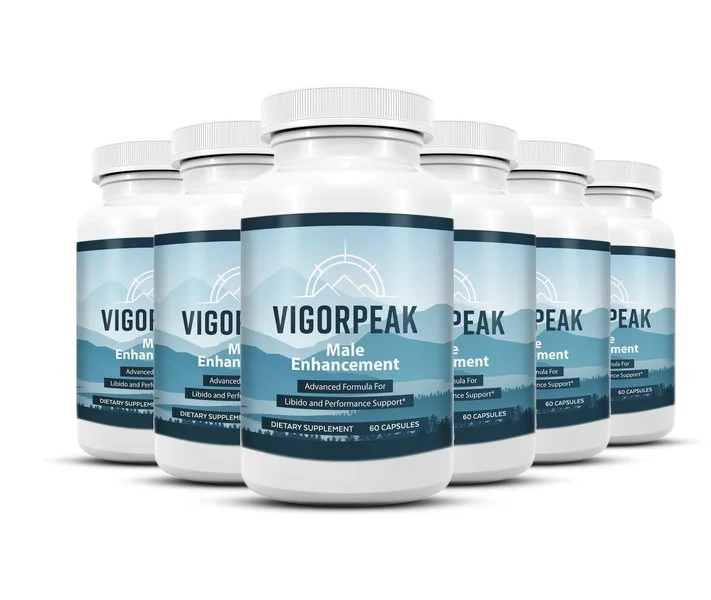
Vigor Peak pairs L-citrulline and pine bark — both discussed for the nitric-oxide pathway — with maca, mucuna, ginseng, ginkgo and L-carnitine for everyday energy. See the exact dose in Vigor Peak, with free U.S. shipping and a 60-day guarantee.
See the exact dose in Vigor Peak →How can you support the nitric-oxide pathway naturally?
You can support your body’s own nitric-oxide production without any supplement, using the same levers that support heart health. Aerobic movement is the best-supported one: it stimulates the vessel lining to keep producing nitric oxide. Nitrate-rich vegetables supply raw material for the dietary-nitrate route, while a healthy weight and good sleep protect the whole system.
- Move most days. Brisk walking, cycling or swimming keeps the vessel lining responsive.
- Eat nitrate-rich vegetables. Beets, spinach, rocket and other leafy greens feed the dietary-nitrate route.
- Walk after big meals. A ten-minute walk supports circulation when the body is working hardest.
- Protect sleep and weight. Both underpin the vascular health nitric oxide depends on.
Amino acids such as L-citrulline are discussed as a supplemental way to support the same pathway, because the body converts citrulline to arginine, the building block for nitric oxide. For a deeper look at that specific link, read our guide to L-citrulline, nitric oxide and blood flow, or the broader picture in how to support male vitality naturally.
Where does Vigor Peak fit in this comparison?
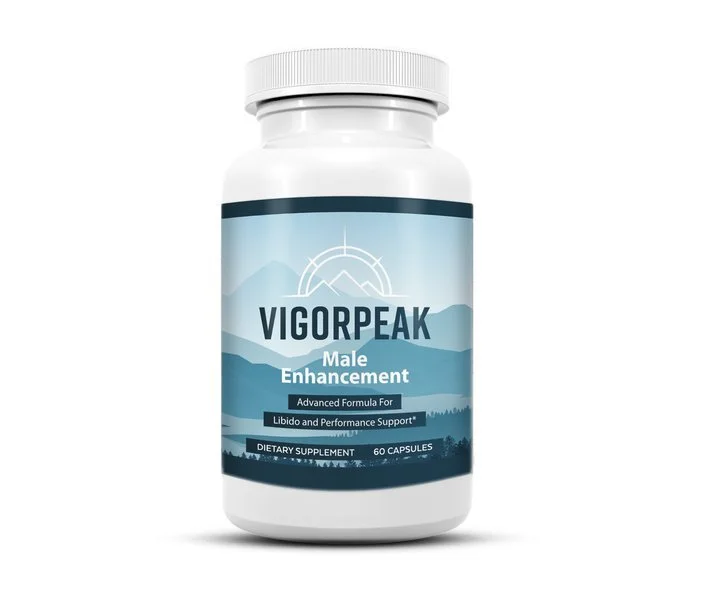
Vigor Peak is built for the nitric-oxide and everyday-energy side of the comparison, not the hormonal one. It contains no testosterone and no hormones of any kind, and it makes no claim to raise them. Instead it pairs L-citrulline and pine bark — both associated with the circulation pathway — with maca, mucuna pruriens, panax ginseng, ginkgo and L-carnitine, botanicals traditionally linked to drive and steady energy. In the language of this article, it is a circulation-and-vitality formula, and it is deliberately honest about staying on that side of the line.
That framing sets expectations correctly. A supplement supporting the nitric-oxide pathway is a reasonable everyday tool for a generally healthy man who wants to support blood flow and energy. It is not, and should not be sold as, a fix for a diagnosed hormonal condition. Read the full breakdown in our Vigor Peak review.
When should the hormonal pathway send you to a doctor?
If you suspect a genuine hormone problem, the right next step is a doctor and a blood test — not a supplement. Low testosterone is a real medical condition and deserves a real diagnosis. Persistent fatigue, a lasting drop in libido, low mood or changes in body composition can have hormonal causes, but they can also stem from sleep, stress or thyroid issues that only testing can sort out. Supporting circulation with lifestyle or a formula like Vigor Peak is compatible with that care, never a substitute for it.

Frequently asked questions
Is nitric oxide the same as testosterone?
No. Nitric oxide is a short-lived signalling molecule that relaxes blood-vessel walls to support circulation, while testosterone is a hormone that influences libido, muscle and mood over the longer term. They act on different pathways, and supporting one does not raise the other.
Does nitric oxide raise testosterone?
There is no good evidence that nitric oxide or nitric-oxide precursors like L-citrulline meaningfully raise testosterone. Nitric oxide works on the circulation side of male performance, not the hormonal side, so the two should not be conflated.
Which matters more for male performance, circulation or hormones?
Both matter, and they overlap. Erections and stamina depend heavily on healthy blood flow, which the nitric-oxide pathway supports, while drive and mood lean more on hormones. For many generally healthy men the circulation side is the more addressable everyday lever.
Does Vigor Peak contain testosterone or hormones?
No. Vigor Peak contains no hormones and is not a testosterone product. It pairs L-citrulline and pine bark with maca, mucuna, ginseng, ginkgo and L-carnitine to support the nitric-oxide and everyday-energy side of male vitality.
Can I support the nitric-oxide pathway naturally?
Yes. Aerobic exercise, nitrate-rich vegetables such as beets and leafy greens, healthy weight and good sleep all support the body's own nitric-oxide production. Amino acids like L-citrulline are discussed as a supplemental way to support the same pathway.
Should I see a doctor about low testosterone?
Yes, if you suspect a hormonal problem. Persistent fatigue, low mood or a marked drop in libido can have medical causes, and only a blood test ordered by a doctor can confirm low testosterone. Supplements and lifestyle support a healthy routine but are not a diagnosis or treatment.
Check today’s Vigor Peak pricing →
Vigor Peak is a dietary supplement for adult men, not a treatment for any medical condition. These statements have not been evaluated by the Food and Drug Administration. This product is not intended to diagnose, treat, cure or prevent any disease. Always consult a qualified healthcare professional about your individual needs.
References & further reading
- MedlinePlus / U.S. National Library of Medicine. Testosterone. medlineplus.gov/ency/article/003707.htm
- National Center for Complementary and Integrative Health (NCCIH). “Testosterone Boosters” and related supplements. nccih.nih.gov/health/dietary-and-herbal-supplements
- Examine.com. Citrulline — evidence-based summary. examine.com/supplements/citrulline
- Mayo Clinic. Male hypogonadism — symptoms and causes. mayoclinic.org/diseases-conditions/male-hypogonadism
- U.S. National Library of Medicine (PubMed). Nitric oxide, endothelial function and vascular health — research literature. pubmed.ncbi.nlm.nih.gov
These references describe the physiology and ingredients in general terms and do not constitute evidence that any product treats, cures or prevents any condition.
Keep reading: L-citrulline, nitric oxide and healthy blood flow for men · How to support male vitality naturally · back to the Vigor Peak blog · homepage.